30 Floors Up Water Storage Guide: How to Store Water and Why It Matters
How to store water in 30 Floors Up: scavenge water around the building, keep your supply in your apartment, and why staying stocked keeps you able to run.
Quick answer
Scavenge water from around the building and store it in your apartment — that stockpile is your supply on hand. Keep it stocked: being thirsty can stop you from running, and storing water means you are ready when supplies run short.
- Scavenge the building for food and water from the start, so you have supplies before you need them.
- Treat storing water as daily work: the official routine is scavenge food, store water, and barricade your apartment.
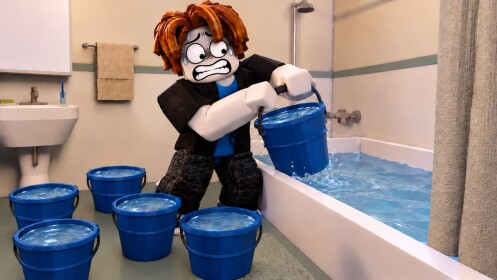
Storing water in 30 Floors Up is one of the game's simple daily habits. This guide covers how the storage loop works, when to start, and why the daily top-up is worth the trip.
How storing water works
Water follows the same pattern as every other supply in the game: you find it around the building, and you store it in your apartment. Your apartment is the storage location — the water you scavenge becomes a supply kept on hand there, ready for when you need it.
The official game description sums up the survival routine as “Scavenge food, store water, and barricade your apartment,” and water works exactly that way. Scavenging runs turn up food and water together, so collect both while you are out, then bring your haul back and keep it stored in your apartment as your standing supply.
Scavenge water from the start
Getting-started advice for the game puts scavenging first: “Scavenge the building for food and water so you have supplies from the start.” Opening with a supply run means your apartment is stocked before thirst becomes a problem, instead of you trying to catch up once supplies run low. Because scavenging trips cover food and water together, one early run sets up both halves of your survival supplies at once.
Why a stocked water supply matters
Here is the rule that makes water worth stocking: the game groups hungry, thirsty and hurt together, and any of those states can stop you from running. In a building thirty floors tall, losing your run is not a small penalty — it changes how you move, how far you can push a scavenging trip, and how quickly you can get back to your apartment with what you have collected.
Survival tips for the game tie the two ideas together directly: keep food and water stocked, because being hungry or thirsty can stop you from running, and store water so you are ready when supplies run short. Your stored supply is the buffer — when a scavenging run is not happening, the water in your apartment is what keeps thirst from taking your run away.
Since so much depends on staying mobile, keeping food and water stocked is the habit that protects it.
Water storage is daily work, not a one-time setup
The game frames your day-to-day work as three jobs: gathering food, storing water, and blocking off your apartment. Water storage sits in that routine deliberately — a supply on hand only stays useful if you keep it topped up while you play.
Checklist
- Scavenge food and water
Head out around the building for both — starter advice puts this first so you have supplies from the start.
- Store water in your apartment
Bring collected water back home; your apartment is where the supply on hand lives.
- Block off your apartment
The third daily job — barricading pairs with the supplies you keep stored inside.
Keeping those three jobs in motion — food coming in, water stocked, apartment sealed off — is the core of surviving day to day in the building.
More 30 Floors Up guides
- 30 Floors Up beginner guide — the full first-day routine, start to finish
- 30 Floors Up scavenging guide — how to find food and water around the building
- 30 Floors Up food guide — the other half of your supplies
- 30 Floors Up how to barricade apartment — the third daily job, in detail
- 30 Floors Up 100 day survival guide — lasting the full 100 days
Related Guides
Where to Scavenge Food and Water
Run supply trips through the building safely: what to loot first, what to watch for, and why supplies come first.
How Food Works and How to Eat It
See how scavenged food, canned goods, spoons and hunger fit together, and what a daily eating routine looks like.
Moving Quietly Past Hallway Zombies
Cut noise by not running, then keep that habit through scavenging, water storage and barricading so zombies stay away.
Apartment Defense: Keeping Zombies Out
Hold your apartment with a barricade, quiet hallways and stocked supplies, so zombies stay outside your door.