30 Floors Up 100 Day Survival Guide: What the Goal Asks and What to Keep Doing
The 100-day goal in 30 Floors Up asks you to survive stranded 30 floors above a zombie apocalypse. Keep scavenging food, storing water, barricading and moving quietly.
Quick answer
Survive 100 days stranded 30 floors above a zombie apocalypse by keeping four jobs going: scavenge food, store water, barricade your apartment and stay quiet in the zombie-filled hallways.
- Hunger, thirst or injury can stop you running, so keep food and water stocked and avoid injury.
- Running makes noise, and noise is how zombies in the hallways find you.
- Rooftop shelters, escape plans and the rescue-or-risk choice are optional work around the survival loop.
What the 100-day goal asks of you
The game's official Roblox description states the premise as a question: "Stranded 30 floors above a zombie apocalypse. Can you survive 100 days?" It answers it with a routine rather than a single target — scavenge food, store water, barricade your apartment, stay quiet as zombies fill the hallways. The goal is survival time: 100 days in the building, and the thing you control is the loop that carries you from one day to the next.
The same description gives the goal a second edge. You can wait for rescue or risk everything for a way out. That is a decision about how the run ends, and it sits on top of the survival loop rather than replacing it: the food, water, barricades and quiet are what keep you alive long enough to make the choice.
The four jobs that keep a run going
Everyday survival in 30 Floors Up comes down to four pieces of work that have to keep running in parallel.
Scavenge food. Gathering food is the first job the description names, and it is the supply you cannot let run down. The game's own tips tie it to movement: being hungry can stop you from running, so food is part of staying mobile as well as staying alive. The scavenging guide and food guide cover the search itself in more detail.
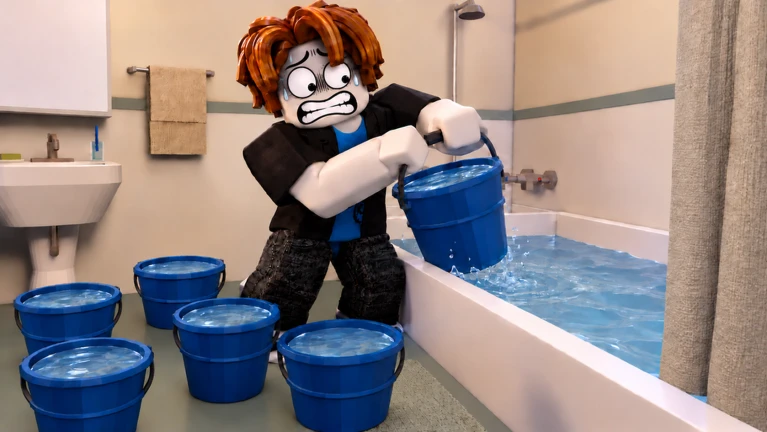
Store water. Water is handled as a reserve. The description pairs "scavenge food" with "store water," and the tips say to store water so you are ready when supplies run short. Building that reserve ahead of a shortage is the focus of the water storage guide.
Barricade your apartment. The apartment is the base the other jobs protect. Barricading it appears in the description as day-to-day work, and the tips state it plainly: barricade your apartment to protect yourself. Because it is framed as recurring work rather than a one-time setup step, it belongs in the same routine as food and water. The apartment barricade guide covers the practical side.
Stay quiet. Zombies fill the hallways, and running makes noise — noise that lets them find you. Staying quiet while you move is the description's warning, and it is the condition that lets the rest of the loop work: it means you can gather food and tend the apartment without turning every corridor into a fight. The stealth guide and hallway zombies guide go deeper on that.
Why hunger, thirst and injury change the plan
Being hungry, thirsty or hurt can stop you from running. That matters because losing the ability to run leaves you exposed in a building where the hallways are full of zombies, and the supplied guidance points in one direction: keep food and water stocked and avoid injury. The stockpile jobs in the loop are therefore also protection. A stocked pantry and a stored water reserve keep the hungry and thirsty states away, and avoiding injury keeps the third state off the list, so the running option stays available when a hallway goes wrong.
In practice that means keeping food and water stocked, because being hungry or thirsty can stop you from running. If you find yourself repeatedly caught short, the food guide and water storage guide are where to tighten the routine.
Staying quiet in the hallways
Zombies fill the hallways, so movement is where a run is most exposed. The instruction is to stay quiet while you move around; the supporting guidance adds the reason — running makes noise, and that noise is what lets the zombies find you. Quiet is one of the four jobs rather than a bit of atmosphere: it is what allows you to do the other three. A barricaded apartment gives you a protected place to return to, but the trip out for food and back again still depends on how much noise you make.
Rescue or risk: the optional layer
Beyond staying alive, the game asks you to decide between waiting for rescue and taking a risk to find a way out. Around that decision sit the optional activities: building rooftop shelters as a place to rest and plan, working out escape plans, finding new routes, helping neighbors, and uncovering secrets. These are listed alongside the core survival loop, so they give a run direction without changing the four jobs that keep it going.
If the escape side is what interests you, the rooftop shelter guide, wait for rescue guide and rescue or escape guide are the relevant starting points. They build on the same survival work, so a stable routine comes first either way.
Playing solo or with friends
The game can be played solo or with a team of up to three friends, four players in total. Grouping up changes who you share the work with, and it does not change the survival loop itself — the same food, water, barricades, quiet movement and eventual escape decision apply. If you are grouping up, the co-op survival guide and how to play with friends cover the multiplayer side.
What to keep doing until day 100
Checklist
- Keep food stocked
Hunger can stop you running, so scavenge before the supply runs down.
- Store water as a reserve
Have water stored so you are ready when supplies run short.
- Keep the barricade up
Barricading your apartment is day-to-day work that protects you.
- Move quietly
Running makes noise, and zombies fill the hallways.
- Plan the ending
Decide between waiting for rescue and risking a way out.
Food in stock, water stored, an apartment kept barricaded and movement kept quiet are what the game's description asks of a survivor; the rooftop shelters, routes, neighbors and secrets are the part of the run you shape around that routine, right up to the choice between waiting for rescue and risking a way out.
Related Guides
How Food Works and How to Eat It
See how scavenged food, canned goods, spoons and hunger fit together, and what a daily eating routine looks like.
Storing Water and Why It Matters
Scavenge water, keep the supply in your apartment, and learn why staying stocked keeps you able to run.
What Barricading Your Apartment Does
See what an apartment barricade actually keeps out, how it fits the survival loop, and when to re-check it.
Rescue or Escape: What Each Involves
Compare waiting for rescue with risking a way out, and see what each approach asks of your supplies and planning.