
30 Floors Up Beginner Guide: What to Do in Your First Session
Start your first 30 Floors Up session with food and water, a barricaded apartment, quiet hallway movement, and a choice between solo or co-op play before you decide on rescue or escape.
Quick answer
For your first session in 30 Floors Up, scavenge the building for food and water, then barricade your apartment to keep the hallway zombies out. Move quietly when you head out, and settle two choices early: play solo or with up to three friends, and decide whether you are waiting for rescue or looking for a way out.
In the Roblox experience 30 Floors Up, you are stranded in an apartment building 30 floors above a zombie apocalypse, and the survival goal is to last 100 days. A first session goes better when you treat it as setup for a long run.
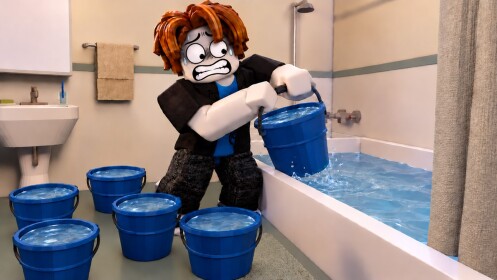
Start with a supply run, then seal the apartment
Work through the checklist in order. Your first minutes should cover supplies and a barricaded apartment before you move deeper into the building.
Checklist
- Scavenge the building for food and water
Supplies come first so you have food and water from the start.
- Barricade your apartment
The barricade is what keeps the hallway zombies out of your apartment.
- Stay quiet while moving through the hallways
Zombies fill the hallways and are drawn to noise, and running makes noise.
- Choose your setup and your plan
Decide between teaming up with up to three friends or playing solo, then choose between waiting for rescue and looking for a way out.
Food and water are the base of the daily loop
Daily survival work in 30 Floors Up is scavenging food, storing water and barricading the apartment. Those needs feed into movement: being hungry, thirsty or hurt can each stop your character from running, so keep food and water stocked and avoid injury. Storing water also leaves you ready for the point when supplies run short.
If you want to go deeper on supplies, the scavenging guide covers gathering, while the food guide and canned food guide focus on food. The water storage guide covers the other half of the loop.
Quiet halls and a barricaded door
Two habits protect you in the building. The first is noise control: zombies fill the hallways and are drawn to noise, and running makes noise, so moving quietly keeps you from drawing them toward you. The second is the apartment itself: barricading it keeps the hallway zombies out. Barricading is part of the recurring daily work alongside scavenging and water storage, so treat it as something you return to rather than a one-time setup.
The stealth guide and hallway zombies guide cover moving past the building's zombies, and the zombie guide covers the enemies themselves. For keeping your own space sealed, see the 30 Floors Up how to barricade apartment page and the apartment defense guide.
Solo or with friends, and somewhere to rest
You can play 30 Floors Up alone or team up with up to three friends, for up to four players together, so pick the setup that matches how you want to play. Rooftop shelters give you a place to rest and plan.
If you are bringing friends, the 30 Floors Up how to play with friends page and co-op survival guide cover that side of the game; solo players can start with the solo survival guide. The rooftop shelter guide covers building a place to rest and plan.
Decide between waiting for rescue and finding a way out
Beyond simply staying alive, the game asks you to decide between waiting for rescue and risking everything for a way out. The longer direction includes building rooftop shelters, working out escape plans, finding new routes, helping neighbors and uncovering secrets, all while the 100-day goal frames the run.
The escape guide and rescue or escape pages cover choosing a way out. The wait for rescue guide covers the other choice, while the alternate routes guide, exploration guide and locations guide cover getting around the building. The 100 day survival guide covers the full-length run.
The first-session loop to repeat
Put together, your first session is a loop: bring in food and water, store what you can, keep the apartment barricaded, and move quietly in the hallways. Those are the recurring survival tasks, and the 100-day goal is the run they support. The solo-or-co-op choice and the rescue-or-escape choice sit on top of that and shape what the days after your first session look like.
Related Guides
Where to Scavenge Food and Water
Run supply trips through the building safely: what to loot first, what to watch for, and why supplies come first.
What Barricading Your Apartment Does
See what an apartment barricade actually keeps out, how it fits the survival loop, and when to re-check it.
What the Zombies Do and How to Avoid Them
Learn how hallway zombies react to noise, what a barricade stops, and how supplies keep a supply run from turning fatal.
Playing With Friends and Party Size
Play solo or bring up to three friends, and see how the four-player party limit differs from the server cap.